
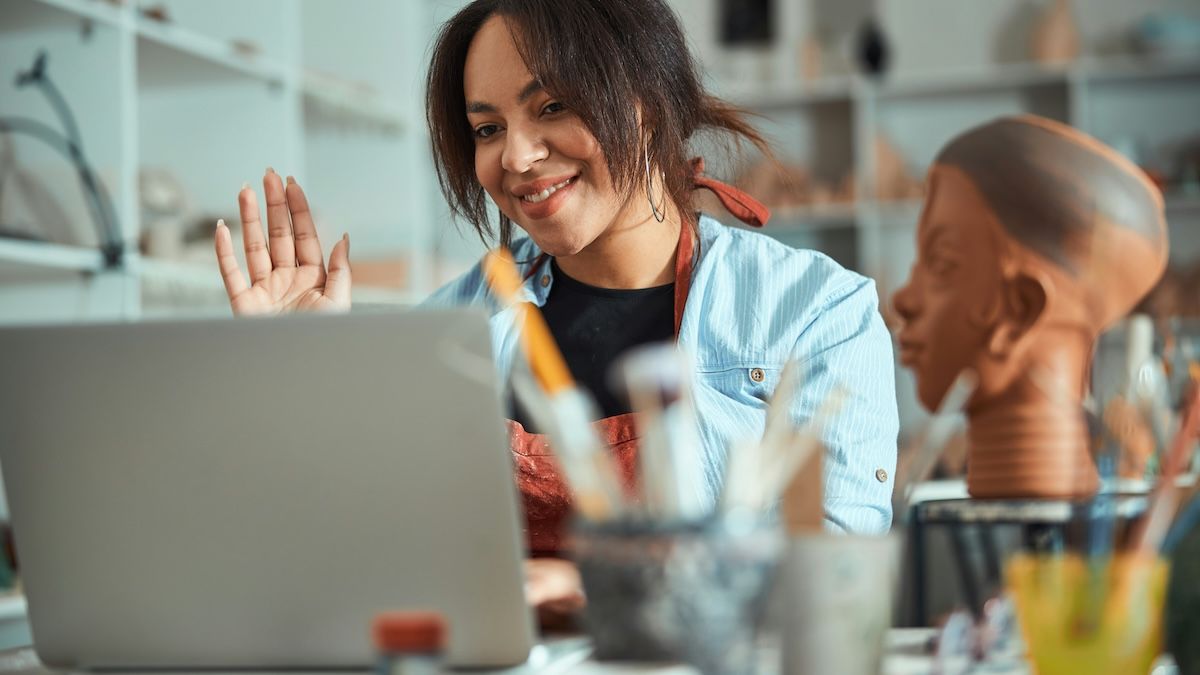
Why Virtual Art Therapy is as Effective as In-Person
Online art therapy removes barriers without losing depth. A licensed art therapist explains why the process still works, even through a screen.
At first, online art therapy may sound like a second-best option to in-person sessions. You might think you’re missing out on a roomful of art supplies that are essential to doing the work and getting the results you’re looking for.
As a licensed creative art therapist who has been providing online art therapy for years, I’ve discovered something surprising: my long-term virtual clients rarely mention that we're working through a screen.
Instead, I hear feedback like “this directive made me feel a release” or “this got me thinking differently.” We’re engaging in the moment together, and the fact that we’re online doesn’t take away from the experience.
If you’re considering art therapy for yourself or your child or teen, I’m excited to share what I’ve learned about why online art therapy can be just as powerful as in-person sessions, are far easier to fit into your schedule.
Online art therapy works better for busy clients
The most common reason people come to me for virtual art therapy is because they have a busy schedule. Whether you have a demanding job, you’re a parent managing multiple responsibilities, or you’re seeking therapy for your child or teen, the logistics of getting to traditional therapy can feel overwhelming.
It can be really hard to take time to get to a studio, do the session, then take time to get back home or back to work, where there are so many other things to juggle. Online sessions eliminate all that travel time, allowing you to engage from the comfort of your home or any room where you have some art materials.
This isn’t just convenient—it removes a significant barrier that often prevents people from getting the help they need.
Online is ideal when leaving home isn’t an option
Art therapists who see clients online often work with individuals who are homebound or stuck in the house for various reasons. Sometimes it’s due to physical issues that make getting out difficult. Other times, you’re a caregiver watching over kids or other people who need at-home care, and you simply can’t step away.
Online art therapy creates a happy medium where you can be within arm’s reach or hear what’s going on in the other room. You're still in a safe space but remain accessible if other people are relying on you or if you just can’t make it out.
This flexibility means art therapy doesn’t have to compete with your other essential responsibilities.
Even the most limited art materials can inspire ah-ha moments
One of my favorite things about online art therapy sessions is how flexible the materials can be. When we don’t have access to certain art materials on a particular day, I see it as an opportunity, not a problem.
It’s important to find an art therapist who’s willing to meet you where you are, encouraging you to work with whatever materials you have to start.
If a client thinks they don’t have many materials on hand, I’ll say “This is an adventure. What might you have nearby in a junk drawer or even the recycling bin? Can we take a healthy risk with that? Can we be creative with that? What an opportunity!”
When a client wishes for a material they don’t have in front of them, it becomes a great opportunity to use problem-solving skills and figure it out together.
At first it might feel like a challenge, but five minutes later we might be in a completely different place than we thought we would be. That’s part of the process and part of the journey.
Then, as we work together, we can think ahead. I might say, “Hey, I think this material might be really cool for you to try. There’s something valuable or therapeutic about this art material that maybe you could order online this weekend or pick up at the store.”
What does a session with an online therapist look like?
The beauty of online art therapy is that no two sessions look exactly alike, and the format is always flexible to meet you where you are that day. The session is less about a rigid structure and more about exploring what’s coming up for you.
Here are a few ways an online art therapy session might unfold:
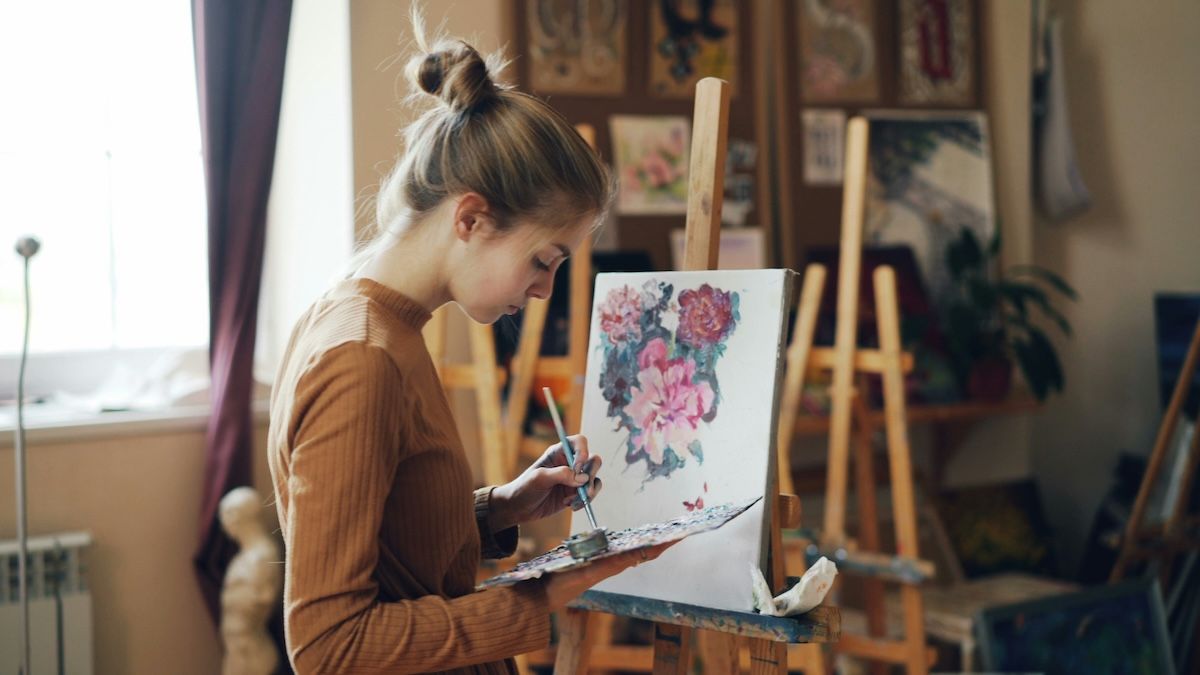
Your sessions can be planned.
We might have discussed a specific art directive in a previous session, and you come ready with the necessary materials and a focused intention to start working. This is great for clients who find comfort in having a clear plan and specific goals for their session.
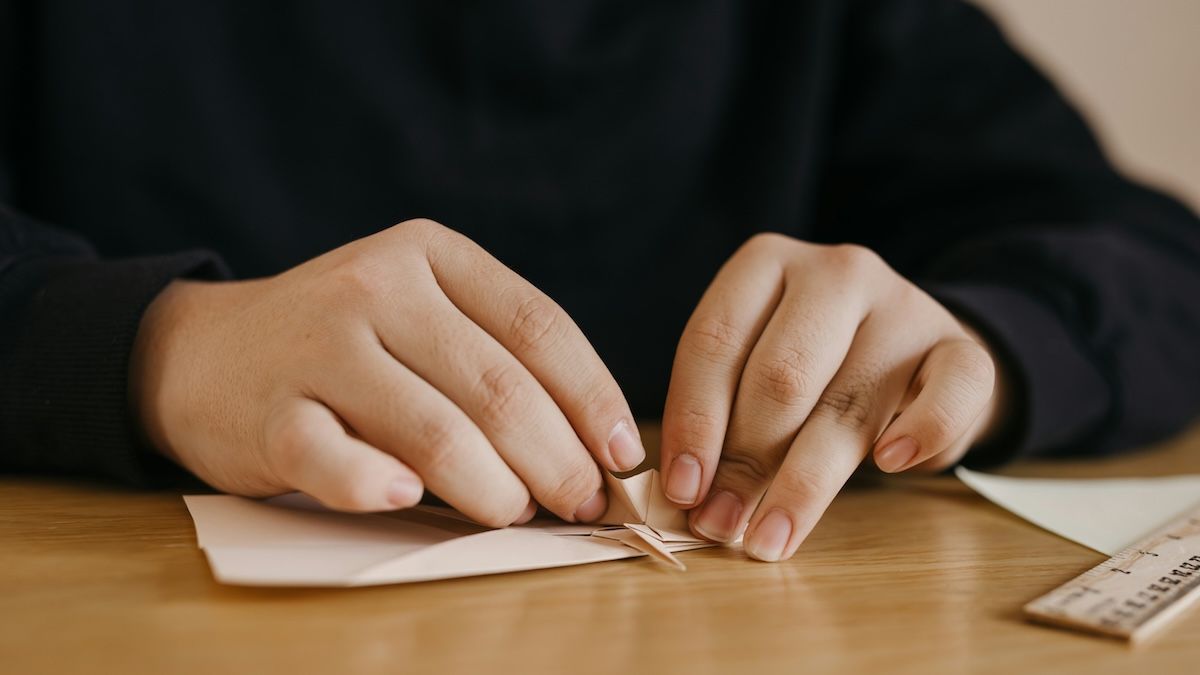
You can come in ready to explore.
Often, a client comes to a session without a specific directive in mind. We might spend the first part of our time together exploring themes, emotions, or current life events that are occupying your mind. I’ll use those insights to suggest a therapeutic art-making prompt, and you’ll work with whatever materials you have right in front of you—even if it’s just a pencil and scrap paper. This unplanned exploration is often where the deepest insight emerges.
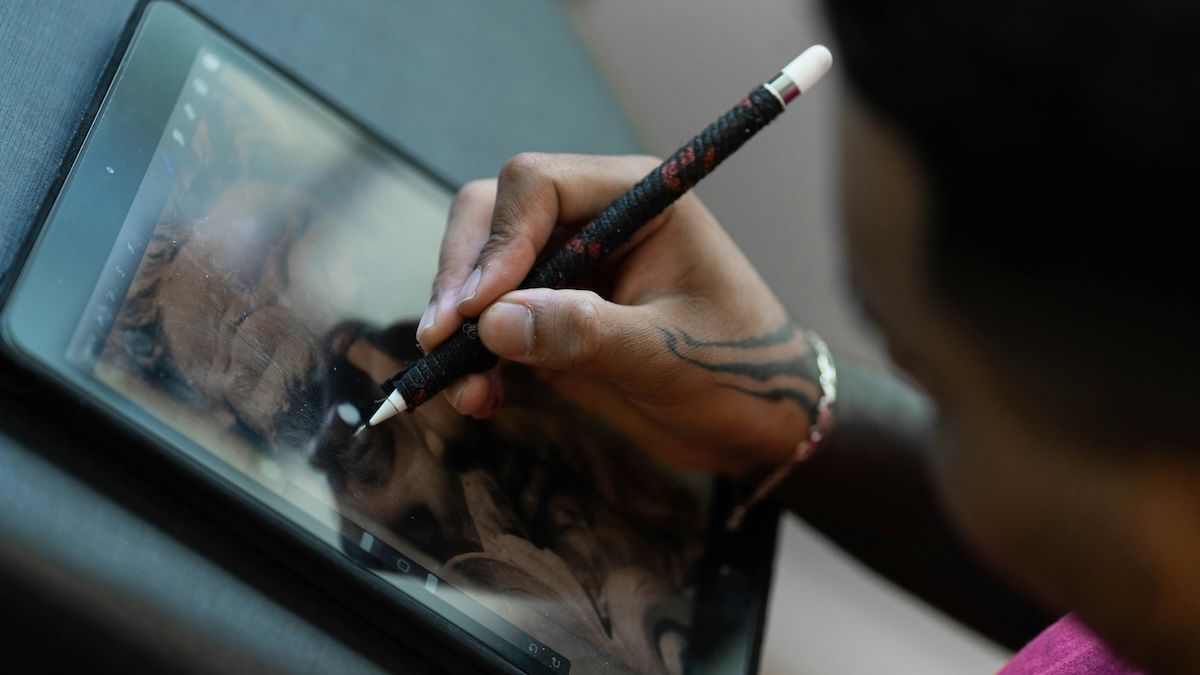
You can use digital art tools.
Art-making doesn’t always require physical materials. Many clients choose to create digital art using their laptop, desktop computer, or tablet. We can experiment with different forms of digital expression, which can be an incredibly freeing way to bypass internal criticism and engage in the creative process. It simply offers another pathway to healing and growth.
The value of online art therapy is in the process
A large part of the value of working with an art therapist is that I’m picking up on what’s occupying your mind or emotions—whether you’re processing your week or exploring something that happened in your life—and I’m able to suggest a therapeutic art directive to help you work through it.
I might ask: “What line, shape, and color come up for you when you talk about this?” or “How do you feel like moving your hands with the materials all over the page?” I’m prompting you, and it creates this feedback response as we explore your thoughts together.
It’s not necessarily about the art, in terms of what you end up making, or the materials you’re using. A table full of art supplies can definitely be exciting and stimulating, but that’s not what makes the therapy work. It’s about taking the opportunity to explore whatever is coming up for you.
Curious but hesitant? Try a single session
If you’re curious about how art therapy works but feel skeptical, cautious, or just don’t know where to start, I definitely recommend giving it a try.
Do one session, see how you feel about your therapist, see how you feel about the process, and take it from there. Sometimes the best way to overcome hesitation is to experiment and open yourself up to being pleasantly surprised.
Virtual art therapists aren’t trying to replicate the in-person experience—we’re creating our own unique pathway to healing and growth together.
Take action:
Schedule a consultation with an art therapist
Whether you're on the fence about online art therapy or ready to get started, don't hesitate to book a free, 15-minute consultation. Simply search the Alma directory for an art therapist who takes your insurance and fits your preferences, then schedule a time that works for you.
Related Articles




Dec 19, 2025




Looking for a therapist?
Get tips on finding a therapist who gets you.
By submitting this form, you are agreeing to Alma's privacy policy.