

10 Research-Backed Apps to Fuel Your New Year’s Resolutions
Want better odds of sticking to your goals in 2026? These apps use proven strategies to support lasting change.
Every year, millions of people set ambitious New Year’s resolutions, yet research shows that more than half give up on their goals within the first month, and even more abandon their goals as the year progresses (Lloyd & DiGiacinto, 2024). But that’s not you, at least not this year. Having the right technology on your side can significantly increase your odds of success. Science-backed apps can provide you with real structure, accountability, and motivation to transform your goals into achievable tasks.
After diving into the research behind some of the most popular health, wellness, and productivity apps, we selected 10 that were developed by experts and are supported by quality studies.
1. Daylio for Mood Tracking and Micro-Journaling
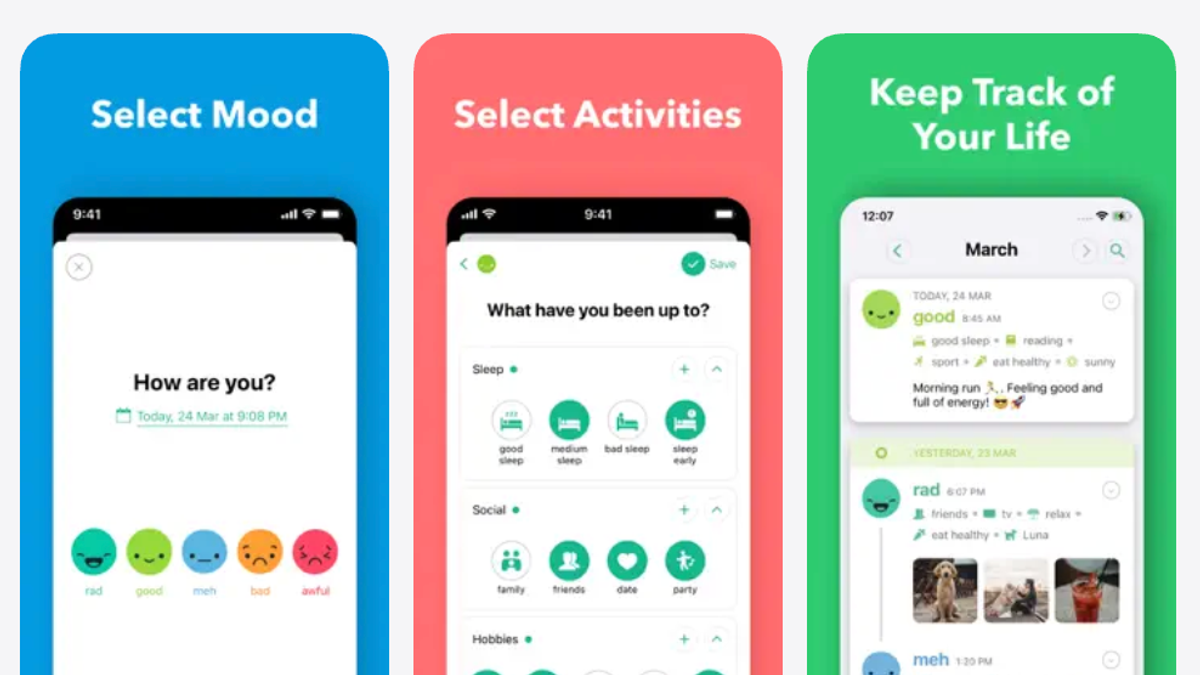
Photo courtesy of the App Store
Daylio is a simple, user-friendly app that tracks daily moods, activities, and journaling to help you better understand your habits (the good and the bad!). Daylio works by utilizing an icon-based system that has a strong research backing; studies have shown incredible effectiveness, especially when used in conjunction with therapy (Ayers, 2022; Ghosh & Bhattacharya, 2025).
What you get:
- Free unlimited includes one tap mood and activity tracking, daily notes/photos/voice recordings, reminders, emotional trend charts, trigger identification, and goal tracking.
- Premium ($4.99/m or $35.99/yr; 7 day free trial) includes cloud backup, customization of moods/activites/themes, infinite reminders, unlimited moods, advanced tracking stats, ability to download records, and other features at unlimited usage.
- Daylio also offers family sharing under the Premium plan.
2. Fabulous for Building Healthy Habits & Self-Improvement
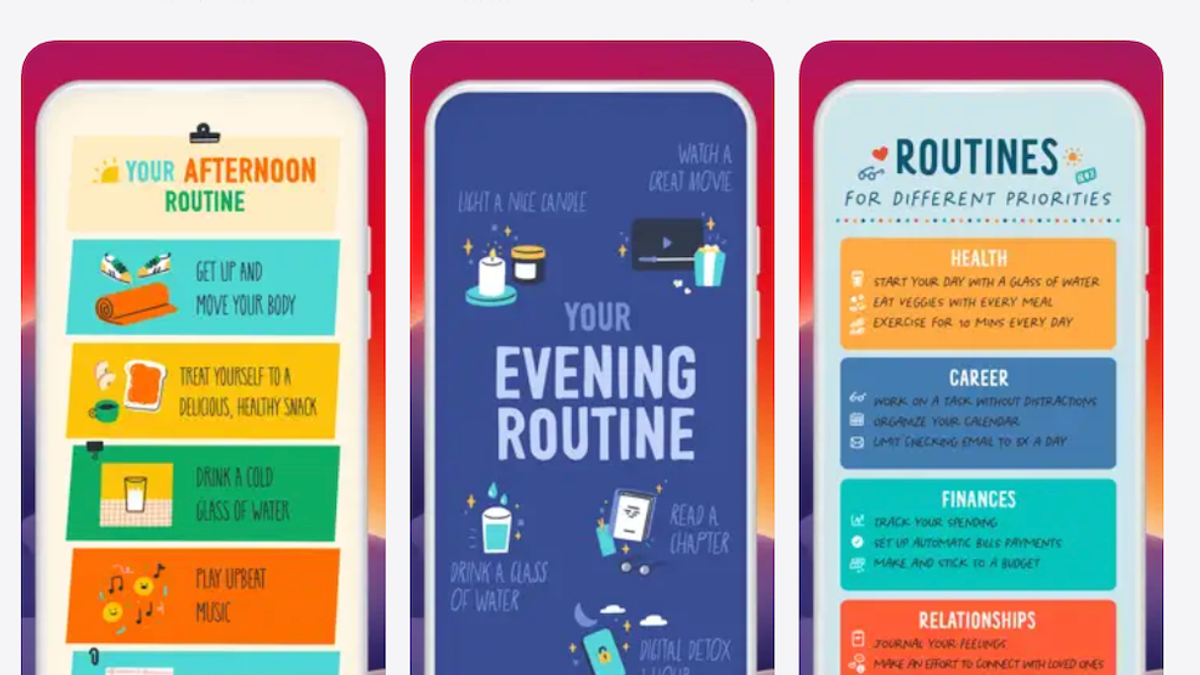
Photo courtesy of the App Store
Fabulous was developed through Duke University to help people make positive life shifts. Fabulous takes a science-based approach to building healthy habits and routines, through integration of behavioral psychology principles and structured programs for mental health, fitness, and productivity. It recognizes that sustainable change happens incrementally and focuses on habit stacking—linking new habits to existing ones.
The app is designed specifically to establish crucial early wins that build momentum for lasting change (Buabang et al., 2025; Fabulous Co., 2025).
What you get:
- Free gets you access to setting up morning rituals, tracking a limited number of habits, and some guided activities.
- Premium (pricing varies by offer, starting at $39.99/yr) gets you access to personalized habit building programs, guided sessions with professionals, extensive tracking, and progress analysis. The premium plan also offers sleep improvement, mindfulness practice, and diet adjustments, all ad-free.
3. Headspace for Stress Reduction and Mindfulness
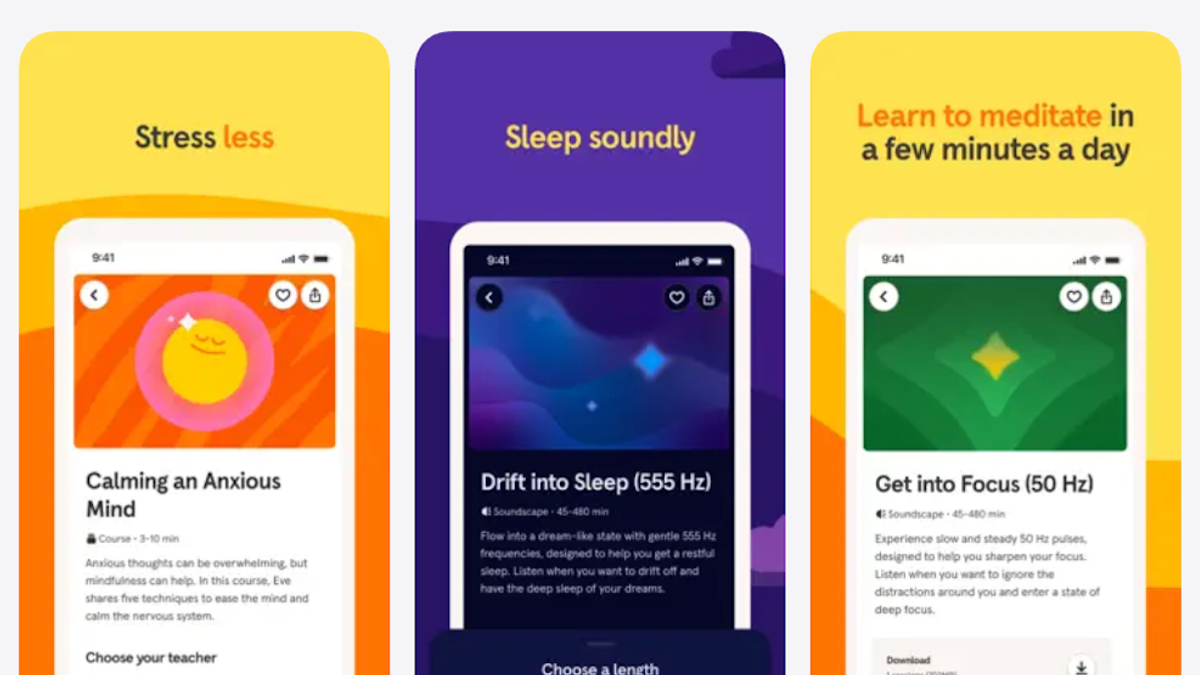
Photo courtesy of the App Store
Headspace was developed by a Buddhist monk and a burnt-out marketing professional (who sought the support of the monk’s meditation practice). Headspace has since become a widely recommended, research backed, app to support mental health (Daffer et al., 2022; Zawadzki, 2025).
Headspace offers a structured, progressive approach to meditation and mindfulness based on your mental health needs.
What you get:
- Free includes limited content (10 basic course sessions).
- Monthly/Annual Subscription ($12.99/m with 7 day free trial; $69.99/yr, with 14 day free trial) includes access to all content like guided meditations, sleep sounds, yoga, SOS sessions, focus music, courses, breathing exercise, and more.
- Headspace also offers discounts for students ($9.99/yr) and K-12 educators/staff (Free), as well as family plans (6 accounts for $99.99/yr), teen accounts (free for those 13-18), and separate pricing for clinical services.
4. Forest for Productivity and Focus
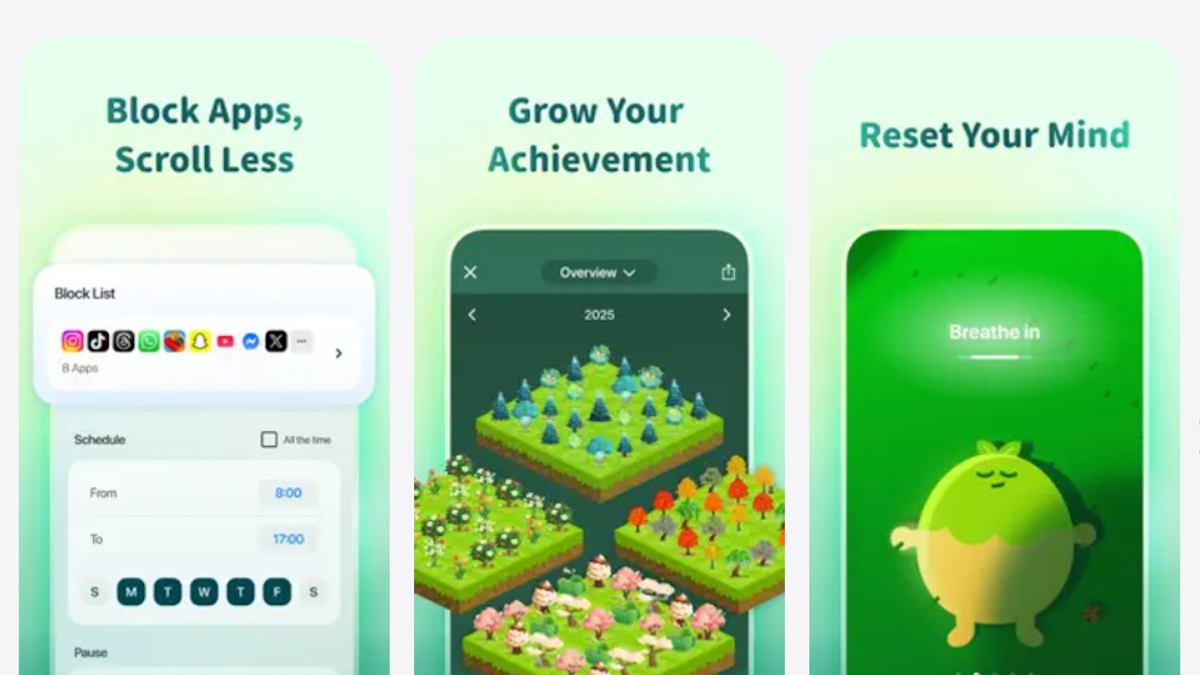
Photo courtesy of the App Store
Developed to aid in reduction of smartphone addiction and increase focus in an increasingly distracted world, Forest is an evidence-informed productivity tool that uses psychological principles like gamification, time-management skills, visual reinforcement, and rewards/punishment to increase motivation (Biwer et al., 2023).
The more users focus on tasks and reduce phone use, the more trees they are able to grow. The more trees grown, the more coins earned — and, with those coins, users can plant actual trees. Forest has partnered with Trees for the Future; and, since starting in 2014, they have planted almost 2 million trees worldwide.
What you get:
- For a small fee ($1.99 Android, $3.99 iOs), all users can access features like a focus timer that is customizable, a variety of different tree species and forest views, progress tracking, connection with friends or colleagues for group accountability, motivational quotes, nature soundscapes, and other features to enhance daily focus.
- A free version is available to Chrome desktop users and Android users, though not all functions are accessible.
5. Todoist for Organization and Task Management
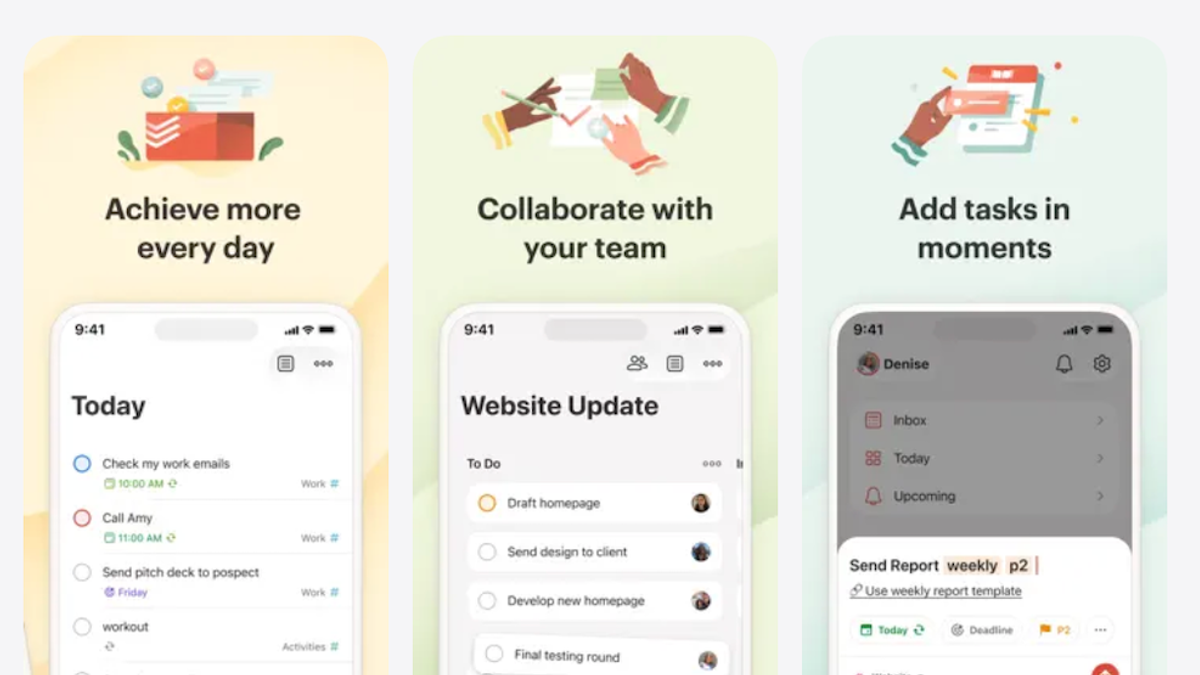
Todoist was initially developed by a college student, studying computer science, who needed an easy task management solution to keep him organized. The app now has an impressive backing from research; its structure implements proven time-management principles including task prioritization, deadline setting, and progress tracking to help users better capture, organize, and complete tasks in many aspects of their lives (Adams, 2025; Garbarova et al., 2024).
What you get:
- Beginner (Free) includes 5 personal projects, task reminders, activity history for 1 week, and integration with email/calendar.
- Pro ($7/m or $60/yr) allows you to do up to 300 tasks in a variety of layouts; it also includes task assist, deadlines, larger file uploads, unlimited activity history, and more.
Tip: Although Todoist has a Business plan, if you are looking for an evidence-based workspace to support your project management with collaboration from your team, Notion is an excellent option.
6. MyFitnessPal for Weight Loss and Nutrition Goals
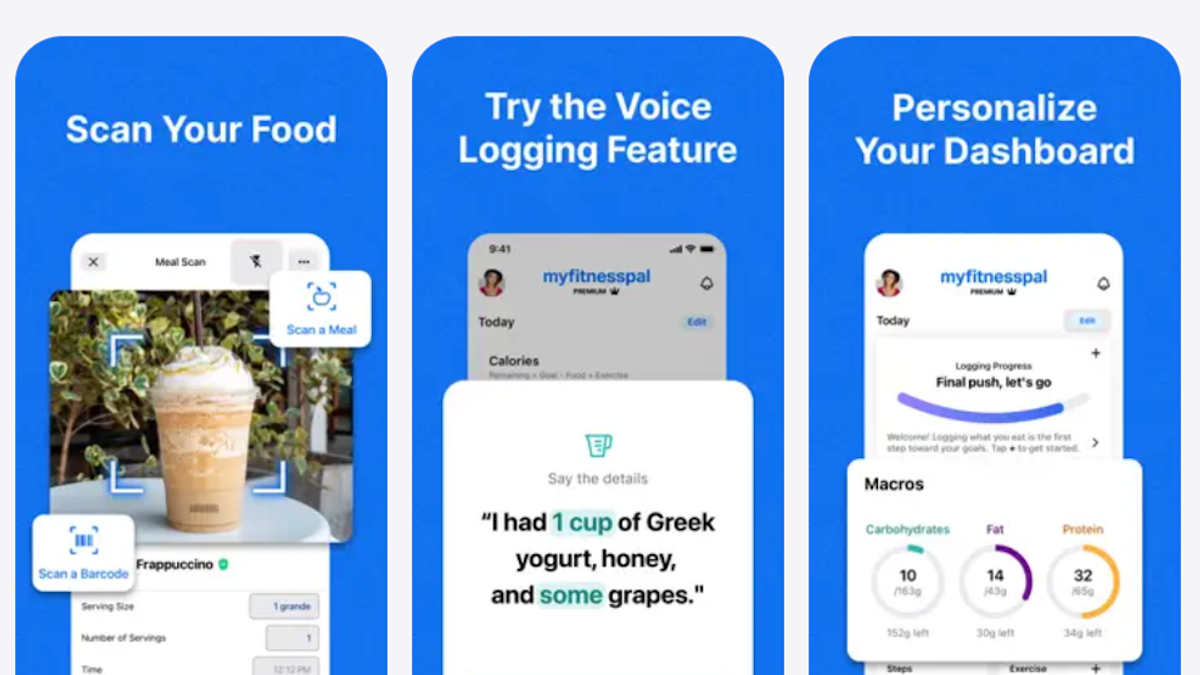
Photo courtesy of the App Store
Yes, there’s a lot of competition out there, but MyFitnessPal continues to stand out. Developed out of a need for a more functional way to track progress for weight loss, it has been found to be highly effective for engaged users.
MyFitnessPal works by leveraging daily self-monitoring to help you stay accountable and make informed decisions about your eating habits (Gordon, Althoff, & Leskovec, 2019).
What you get:
- Free gets you Calorie/food logging, exercise tracking (with device synching), progress monitoring, and connection with friends for accountability.
- Premium ($24.99/m or $79.99/yr) offers barcode scanning, an ad-free experience, macronutrient tracking, advanced analytics, and priority support.
- Premium+ ($99.99/yr) includes meal planning, recipes, and grocery delivery integration. With any paid plan, there is a 30 days free trial.
7. Nike Training Club (NTC) for Fitness Goals
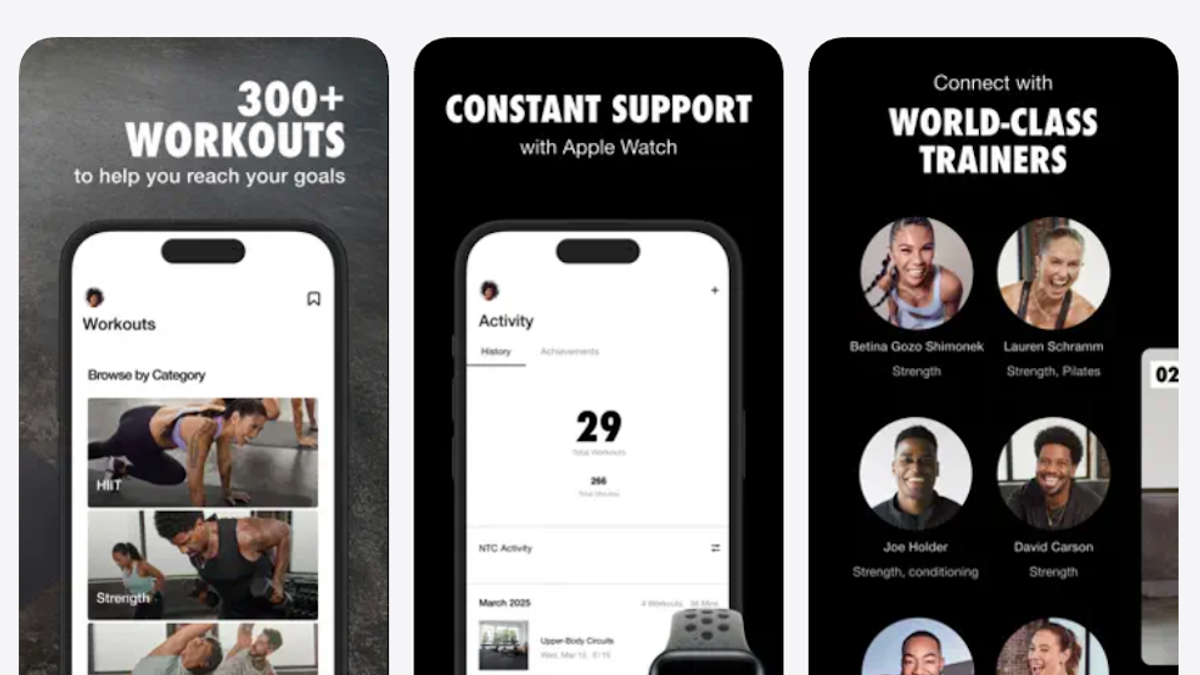
Photo courtesy of the App Store
Nike initially developed Nike Training Club or NTC to target females looking for expert training through custom workouts at a low cost. Nike has evolved the NTC app to build a connected fitness ecosystem, including workouts for all genders and fitness-levels.
The evidence base for NTC is strong; their approach of goal-setting, feedback, and expert guidance are all techniques that promote physical activity and maintenance of motivation (Hosseinpour & Terlutter, 2019).
What you get:
- Free Premium includes workouts and training plans at different durations and difficulty levels, you can track progress, get exercise tips, connect your fitness tracking devices, and connect and compete with friends.
8. Duolingo for Language Learning
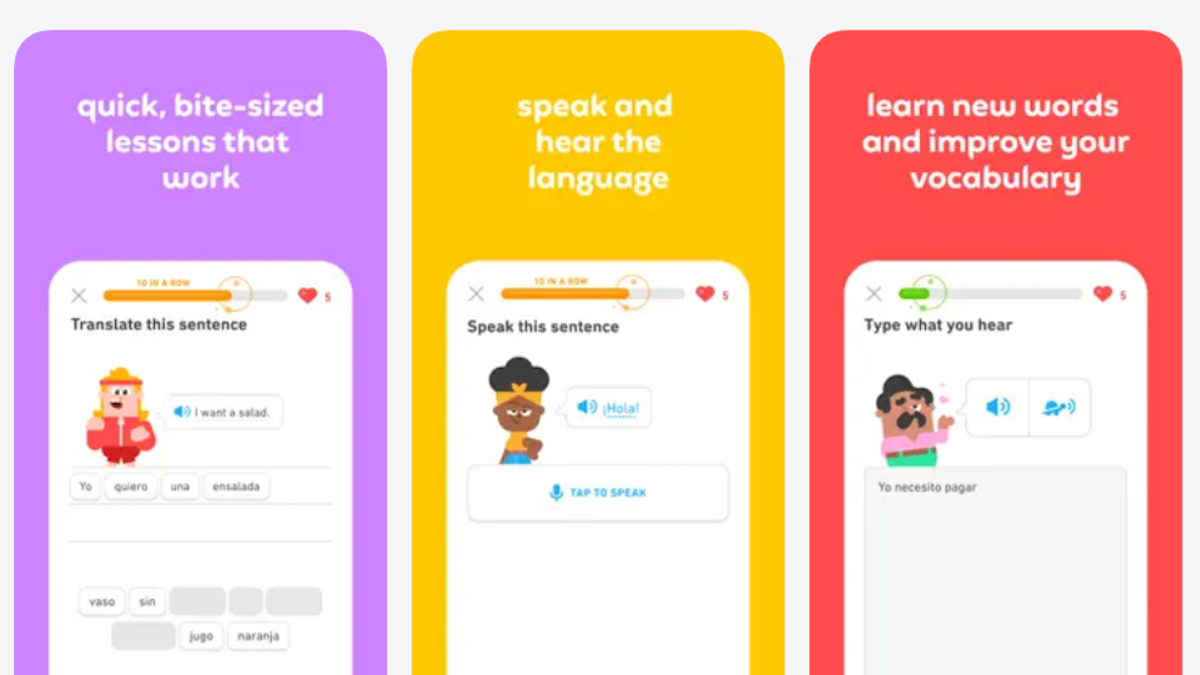
Duolingo was initially developed to make language education free while also translating real content from the web. The app has evolved over time to become the world’s most popular language learning platform, with 40+ languages.
Duolingo takes a gamification and bite-sized lesson approach to make language learning engaging and habit-forming. Research supports this approach, which makes it excellent for maintaining motivation, especially for beginners (Jiang et al., 2022).
What you get:
- Free includes all learning content, based on personal goals & level at placement test.
- Super ($12.99/m or $83.99/yr) includes learning content, unlimited hearts (so mistakes don’t slow down progress), personalized practice for mistake review, unlimited challenge entry, and an ad-free experience.
- Max ($29.99/m or $167.99/yr) includes additional AI powered features like roleplaying. Duolingo also offers a
- Super Family plan ($119.99/yr) is available for up to 6 Super accounts (which can be shared outside your household). For all plans, you get a 7-day free trial.
Tip: Looking for a more advanced learning experience? Consider Babbel. It is just as evidence-based as Duolingo but is more focused on learning (rather than making learning a game), with a flexible online class-type approach.
9. You Need a Budget (YNAB) for Financial Goals
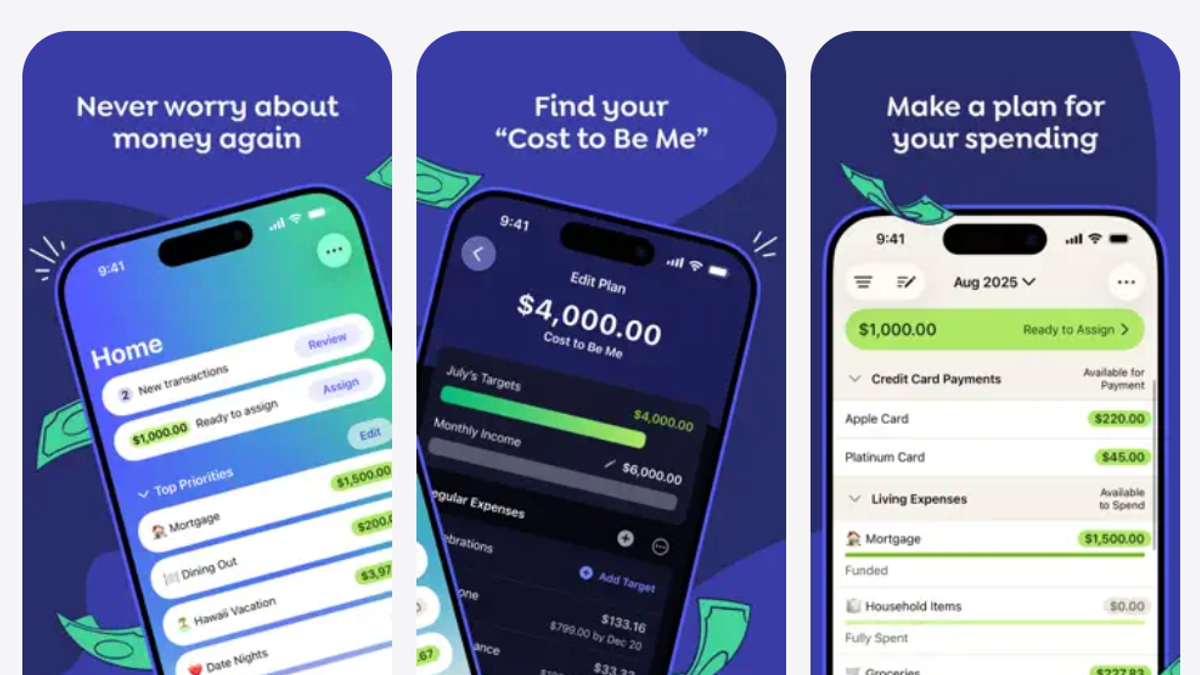
YNAB was created out of an excel spreadsheet, developed by an accountant (a graduate student with a new family) who was struggling financially. What distinguishes YNAB from other finance apps is the philosophy behind it – it’s about tracking spending and intentionally planning for every dollar BEFORE you spend it.
YNAB’s goal setting approach (“zero-based budgeting”) is highly researched and has been shown to reduce stress and improve decision making around finances (Mecham, 2017).
What you get:
- Monthly ($14.99/m) and annual ($109/yr) subscription allows you to link bank accounts, categorize expenses, check budgets, review spending trends, set goals for saving, plan for debt payoff, and access educational resources.
- College students can use the app free for one year.
10. Gottman Card Deck for Enhanced Relationship Satisfaction
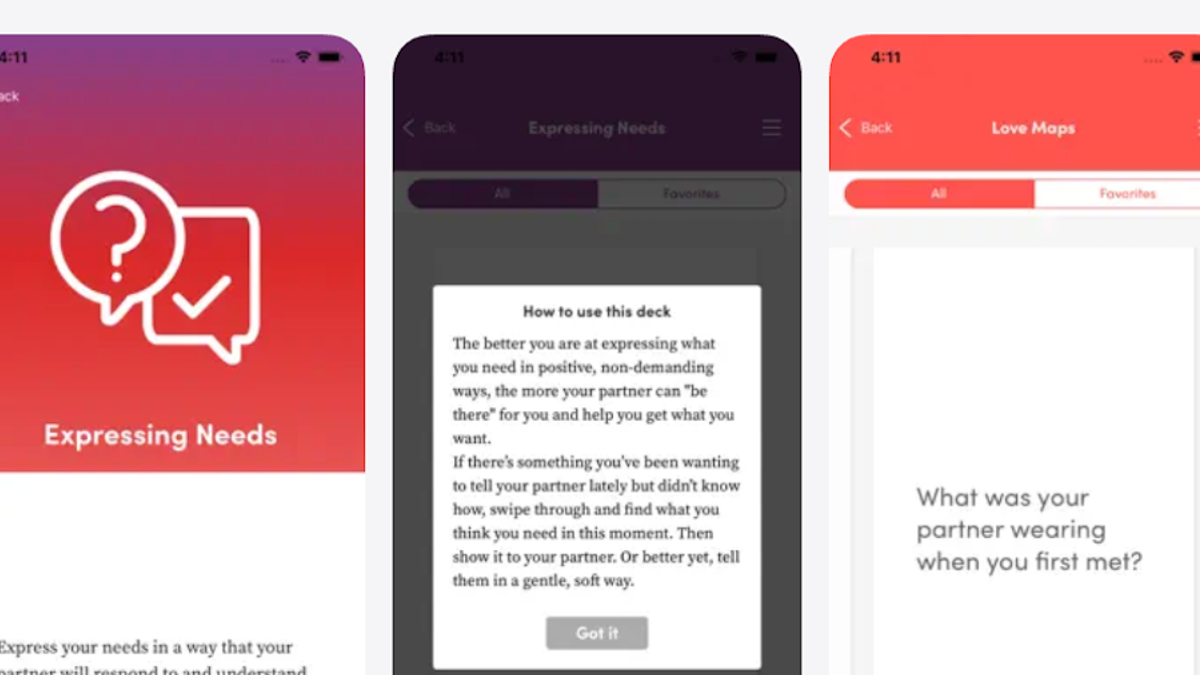
The Gottman Card Deck app was developed out of decades of research from the Gottman Institute, an organization built by psychologists focused on helping people build stronger relationships (Gottman Institute, 2025). Through the app, couples are able to create love maps, increase daily interactions, express appreciation, plan dates, and deepen intimacy through research-backed questions and prompts.
The app promotes deeper talk, helps manage conflicts constructively, teaches effective communication techniques, all while enhancing respect, affection, and closeness with your partner.
What you get:
- Free for all users, there are 14 different card decks focused on a variety of relationship areas including appreciation, sex, feelings, date ideas, parenting, and more.
Set Yourself Up for Success
Regardless of what your goals may be or which apps you choose, research points to a few guidelines for maximizing your chances of success:
- Start immediately
- Choose a specific goal
- Stay consistent with tracking
- Plan for setbacks
- Focus on building a better system for yourself rather than on a single outcome
If you continually struggle to stay focused or make progress, or if life throws more or bigger obstacles in your way than you can navigate, consider working with a licensed therapist. Research-backed modalities, including Cognitive Behavioral Therapy, Dialectical Behavior Therapy, and Motivational Interviewing can help you overcome blockers and take positive action.
References
Adams, A. L. (2025). Productivity tools. Public Services Quarterly, 21(4), 351-359. doi:10.1080/15228959.2025.2558595
Ayers, S.J. (2022). Journaling for personal well-being. English in Texas, 52(1), 33-36.
Biwer, F., Wiradhany, W., Oude Egbrink, M.G.A., & de Bruin, A.B.H. (2023). Understanding effort regulation: comparing “Pomodoro” breaks and self-regulated breaks. British Journal of Educational Psychology, 93(2), 353-367. doi: 10.1111/bjep.12593
Buabang, E.K., Donegan, K.R., Rafei, P., & Gillan, C.M. (2025). Trends in Cognitive Science, 29(1), 41-59. doi:10.1016/j.tics.2024.10.006
Daffer, A., Colt, S.F., Wasil, A.R., & Lau, N. (2022). Efficacy and conflicts of interest in randomized controlled trials evaluating Headspace and Calm apps: Systematic review. Journal of Medical Information Research: Mental Health, 9(9). doi: 10.2196/40924
Fabulous Co. (2025). The science behind Fabulous. https://www.thefabulous.co/science-behind-fabulous/Garbarova, M., Fabus, J., Vartiak, L. & Rentkova, K. (2024). Analysis and assessment of modern time management tools used in business and education. Journal of Interdisciplinary Research, 14(2), 399.
Ghosh, P. & Bhattacharya, R. (2025). Mood journaling: A New Year’s journey to track emotions. Indian Journal of Private Psychiatry, 19(1). doi: 10.5005/jp-journals-10067-0189
Gordon, M.L, Althoff, T., & Leskovec, J. (2019). Goal-setting and achievement in activity tracking apps: A case study of MyFitnessPal. World Wide Web Conference Proceedings, 571-582. doi: 10.1145/3308558.3313432.
Gottman Institute (2025). Research. https://www.gottman.com/about/research/
Hosseinpour, M. & Terlutter, R. (2019). Your personal motivator is with you: A systematic review of mobile phone applications aiming at increasing physical activity. Sports Medicine, 49(9), 1425-1447. doi: 10.1007/s40279-019-01128-3
Jiang, X., Rollinson, J., Plonsky, L., Gustafson, E., & Pajak, B. (2022). Evaluating the reading and listening outcomes of beginning-level Duolingo courses. Foreign Language Annals, 54(4), 974-1002. Doi: 10.1111/flan.12600
Lloyd, M. & DiGiacinto, J. (2024, January). New Year’s resolutions: Nearly half cite fitness as their top priority. Forbes. www.forbes.com/health/mind/new-year-resolutions-survey-2024/
Mecham, J. (2017). You need a budget: The proven system for breaking the paycheck-to-paycheck cycle, getting out of debt, and living the life you want. Harper Business.
Zawadzki, M.J., Torok, Z. A., Peña, M., & Gavrilova, L. (2025). App-based mindfulness meditation reduces stress in novice meditators: a randomized controlled trial of headspace using ecological momentary assessment. Annals of Behavioral Medicine, 59(1). doi: 10.1093/abm/kaaf025
Related Articles






Jan 1, 2026




Looking for a therapist?
Get tips on finding a therapist who gets you.
By submitting this form, you are agreeing to Alma's privacy policy.